

Iftikhar Uddin: The Shina Folk Voice Carrying Gilgit-Baltistan’s Musical Heritage to New Audiences
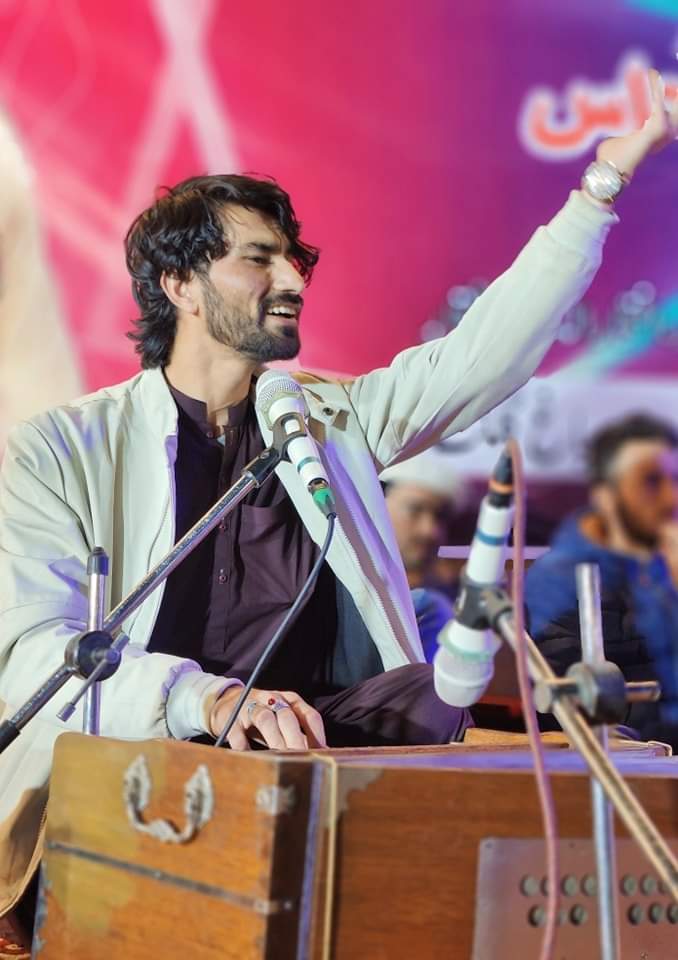
Across Gilgit-Baltistan, music is more than entertainment. It carries language, memory, place and shared identity from one generation to the next. Among the artists helping bring this cultural heritage to contemporary audiences is Iftikhar Uddin, a Shina folk singer whose work connects regional musical traditions with listeners both within and beyond the mountains of his home region.
A voice rooted in Shina tradition
His artistic identity is closely associated with Shina music, a living tradition shaped by local languages, poetry, melody and community performance. For audiences who grew up with these sounds, his songs offer a familiar cultural connection. For newer listeners, they provide an accessible entry point into the musical expression of Gilgit-Baltistan.
Crossing language boundaries through collaboration
One of the notable milestones in Uddin’s recent career was “Tu Yaad Waa Thy,” released in 2025 with renowned Pashto singer Rahim Shah. The collaboration brought together artists associated with different regional musical traditions and helped introduce the Shina-Pashto blend to a wider audience. The track was warmly received by listeners and became one of the releases most closely associated with Uddin’s growing profile.
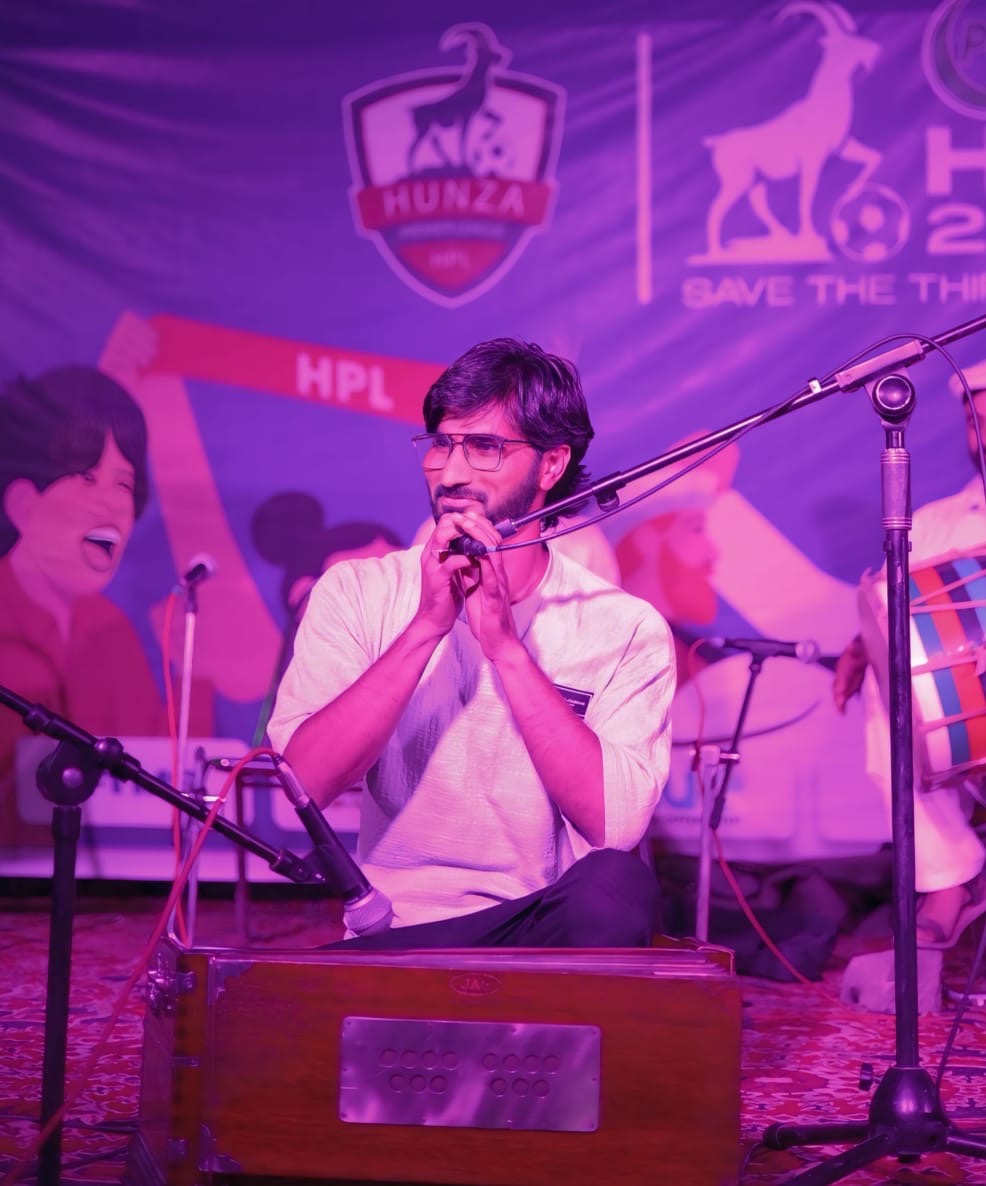
Uddin also collaborated with Yamsa Noor, a Pashto female singer, on another release that listeners received enthusiastically. Such collaborations show how regional music can create connections across languages while allowing each artist to retain a distinct musical identity. They also give Shina music opportunities to reach audiences who may first discover it through a familiar voice from another musical tradition.
A growing catalogue of Shina songs
Beyond these cross-language projects, Uddin has released a broad range of Shina songs, several of which have attracted millions of views online. Digital platforms have changed how regional artists find audiences: a song rooted in a local language can now travel well beyond its place of origin, reaching listeners in other parts of Pakistan and among overseas communities.
For Shina-language music, this visibility matters. It helps keep the language present in contemporary popular culture and gives poets, composers, musicians and singers new ways to share their work. The success of online releases can also encourage younger listeners to value their own cultural and linguistic heritage.
Tradition and a contemporary audience
Uddin’s path reflects a wider development in regional music: artists are using modern recording, video production and social platforms without leaving their cultural roots behind. The result is not simply a move from traditional to modern sound, but a conversation between the two. Folk music remains grounded in local expression while gaining new forms of distribution and discovery.
Live performance remains an important part of that relationship. On stage, Uddin performs with a harmonium and microphone, in settings where music is shared directly with an audience. These moments underline the communal character of folk music, where a song becomes part of a collective experience rather than only a recording on a screen.
Looking ahead
As interest in regional music continues to grow online, Iftikhar Uddin’s work offers an example of how a singer can help carry Shina expression into new spaces. His collaborations with Pashto artists, alongside his Shina catalogue, position his music at a meeting point between cultural preservation and wider musical exchange.
For Gilgit-Baltistan, artists working in regional languages play an important role in keeping local stories and sounds visible. Uddin’s continued work in Shina music contributes to that broader cultural landscape, bringing the region’s musical voice to listeners who might otherwise never encounter it.