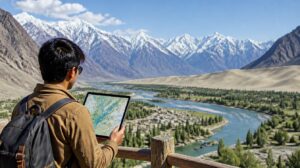

Gilgit-Baltistan Tourism Season 2026 Peaks: Record Visitor Numbers, Overtourism Concerns Mount
Gilgit-Baltistan’s summer tourism season has hit peak intensity. Early June visitor figures released by the GB Tourism Department are already tracking above the 2024 season, which saw a record 989,793 domestic tourists and 20,490 foreign tourists visit the region. Hunza, Skardu, Fairy Meadows, Ratti Gali and Deosai are reporting full occupancy through mid-July. But behind the growth in visitor numbers lies an increasingly urgent conversation about overtourism, ecological pressure, and whether the region’s infrastructure can keep pace.
The Numbers That Define This Season
| Metric | 2024 (Full Year) | 2026 Season Start (June only) |
|---|---|---|
| Foreign tourists | 20,490 | 4,200+ (est.) |
| Domestic tourists | 989,793 | 210,000+ (est.) |
| Foreign tourist growth (vs 2023) | +27% | +18% projected |
2023 saw approximately 16,130 foreign tourists — meaning 2024 was already a record year, and 2026 is on track to potentially exceed it.
Where Everyone Is Going
Certain corridors have become saturated to the point of losing their appeal to some visitors:
- Hunza-Nagar corridor: Karimabad, Aliabad, Duikar, Passu, Attabad Lake — full through the season
- Skardu region: Shangrila, Upper Kachura, Deosai, Askole (K2 trek gateway)
- Fairy Meadows / Nanga Parbat base: Bookings maxed since March
- Ratti Gali Lake: The Neelum-adjacent lake now receives daily crowds of over 500 in peak weeks
Less-frequented districts — Ghizer, Astore, and upper Diamer — offer alternatives for travellers seeking quieter experiences.
The Economic Story
Tourism now contributes an estimated 12-15% of Gilgit-Baltistan’s regional GDP, up from under 8% a decade ago. Direct employment in the sector — hotel staff, drivers, porters, guides, restaurant workers — supports an estimated 45,000 households across the region. Indirect employment (agriculture supply to hotels, handicrafts, transport fuel) doubles that figure.
The Karakoram Treks and Tours Association, an industry body based in Skardu, reports that individual small tour operators are booked solid through August — a level of demand not seen since before the 2019 economic downturn.
The Downside: Overtourism
Rapid growth has outpaced infrastructure. Communities across the region are reporting:
- Solid waste management crises — Hunza’s Attabad Lake shoreline has seen visible plastic buildup that residents describe as “the worst ever”
- Water stress — Karimabad’s water supply is being rationed during peak weekends due to hotel demand
- Cultural erosion concerns — Local Wakhi and Balti community leaders in Hunza and Skardu have raised concerns about tourism-driven cultural commodification
- Ecological pressure — Deosai National Park rangers report increased litter and off-track driving on the Deosai plateau
- Traffic gridlock — the Karakoram Highway between Gilgit and Passu is now congested throughout the day in July-August
What the New Government Says
Chief Minister-designate Amjad Hussain Azar has said tourism reform will be one of the priorities of the incoming PPP-led government. Specific proposals under discussion include:
- A tourist entry-tax at key checkpoints (Kohistan, Sost) to fund waste-management and infrastructure
- Mandatory registration through a GB tourism app for all inbound visitors
- Capacity caps for Deosai National Park, Fairy Meadows, and Ratti Gali
- Fast-track development of secondary destinations to distribute tourist load
Implementation, however, will depend on federal cooperation — Gilgit-Baltistan lacks the constitutional authority to independently impose non-federal taxes.
What Visitors Should Know
For travellers planning a trip to Gilgit-Baltistan in July-August 2026:
- Book accommodation at least 3 weeks in advance — walk-in rates are 40-60% above rack rate
- Karakoram Highway travel: allow 20-30% extra time for congestion between Gilgit and Passu
- Consider off-season alternatives — Ghizer, Astore, Chitral offer quieter mountain experiences
- Pack out all waste — many areas lack waste infrastructure
- Respect local customs, particularly in villages away from the main tourist strip
Frequently Asked Questions
How many tourists visited Gilgit-Baltistan in 2024?
According to the GB Tourism Department, approximately 989,793 domestic tourists and 20,490 foreign tourists visited Gilgit-Baltistan in 2024 — both figures record highs.
Is 2026 tourism higher than 2024?
Early June 2026 figures suggest tourist numbers are tracking above 2024. Hotels in Hunza, Skardu and Fairy Meadows report full occupancy through mid-July.
Is Gilgit-Baltistan safe for tourists in 2026?
Yes — the region is widely considered safe for domestic and foreign tourists. Standard travel precautions apply for high-altitude and glacial areas.
What is the best time to visit Hunza?
For blossoms, late March to mid-April; for the warmest and most accessible weather, June to August; for cherry harvest and autumn colours, September to early November.
Related Stories

 Marriage age fixed at 18 years in Punjab: New law passedApril 15, 2026